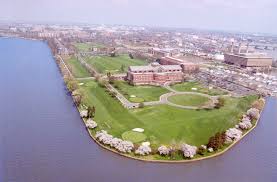
As part of the AFPAK Hands program we go though a week of counter-insurgency (COIN) training in the classroom. As a young Captain this is pretty cool because we have been on the campus of the National Defense University (NDU) on Ft McNair in downtown DC. Other than the long commute and short walk through ghetto, the campus is a cool spot. NDU is one of the militaries' higher level professional education centers. In other words there are lots of Generals and Colonels running around getting more masters degrees. Thankfully, we are in civilian clothes so we can hide amongst the other bureaucrats.
The AFPAK program has "rented" some space and intellectual talent from NDU. Some of the highlights have been briefings from a retired 3-star General and a retired US Ambassador (by the way that's a first in my career, having a General come brief me...). We also had some great geopolitical discussions with a prominent COIN author who advises senior DOD officials. As I sit through these discussions I couldn't help but think about my college academic experiences and how different this type of setting is compared to my undergrad experience. Here are the big differences.
1. Many lecturers in military academia have been shot at. This adds a different level of "real world application" to academic concepts. My civilian profs focused on the theoretical, these guys/gals focus on the practical. It's a dimension to learning that I would not have appreciated as a 19-year old kid. Speaking of kids...
2. The military audience is older and smaller. My first political science class had 300 people in it. I don't recall learning anything in the class. Most of the 300 people in the class were 18. In my class today the median age is 40 and there 20 of us. The last four days of lecture/discussion have covered more geopolitical ground than I got in dozens of credits worth of undergrad work. Small groups led by experienced instructors equals a great learning environment.
3. You pay more attention when you know you'll need the information. Part of my academic problem in college was a lack of motivation. If the topic didn't seem interesting or applicable I didn't give it much spare brain space. This block of military learning has kept me engaged because I know I am going to need it. And do 18 year olds really know what they are going to do with their lives enough to know what information they need for the trip? I know I didn't have clue.
Comments?
The AFPAK program has "rented" some space and intellectual talent from NDU. Some of the highlights have been briefings from a retired 3-star General and a retired US Ambassador (by the way that's a first in my career, having a General come brief me...). We also had some great geopolitical discussions with a prominent COIN author who advises senior DOD officials. As I sit through these discussions I couldn't help but think about my college academic experiences and how different this type of setting is compared to my undergrad experience. Here are the big differences.
1. Many lecturers in military academia have been shot at. This adds a different level of "real world application" to academic concepts. My civilian profs focused on the theoretical, these guys/gals focus on the practical. It's a dimension to learning that I would not have appreciated as a 19-year old kid. Speaking of kids...
2. The military audience is older and smaller. My first political science class had 300 people in it. I don't recall learning anything in the class. Most of the 300 people in the class were 18. In my class today the median age is 40 and there 20 of us. The last four days of lecture/discussion have covered more geopolitical ground than I got in dozens of credits worth of undergrad work. Small groups led by experienced instructors equals a great learning environment.
3. You pay more attention when you know you'll need the information. Part of my academic problem in college was a lack of motivation. If the topic didn't seem interesting or applicable I didn't give it much spare brain space. This block of military learning has kept me engaged because I know I am going to need it. And do 18 year olds really know what they are going to do with their lives enough to know what information they need for the trip? I know I didn't have clue.
Comments?

No comments:
Post a Comment